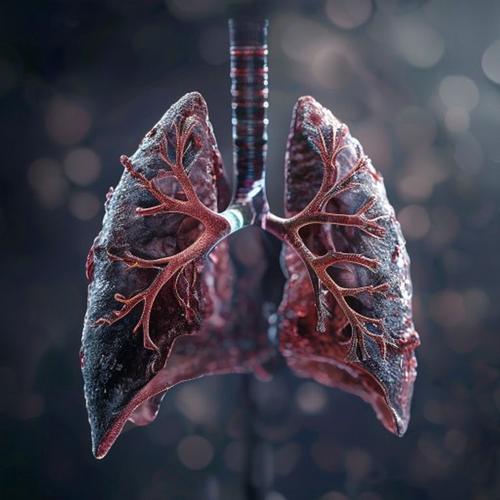
In the realm of oncology, small cell lung cancer (SCLC) is a critical area of focus. This aggressive form of lung cancer primarily affects smokers and is known for its rapid growth and spread. Understanding SCLC is fundamental to improving patient outcomes and developing targeted therapies. Advances in research are forging pathways toward personalized treatments, making the study of small cell lung cancer more important than ever.
What is this Tool?
This tool refers specifically to research and treatment developments regarding small cell lung cancer. It encompasses new approaches in therapy, including innovations in SCLC immunotherapy breakthroughs 2026, targeted therapy for small cell lung cancer, SCLC precision medicine advancements, early detection small cell lung cancer AI. By utilizing cutting-edge diagnostic tools, healthcare professionals can make informed decisions about treatment paths that may significantly enhance survival rates.
How to Use This Tool Step by Step

Using this tool effectively involves several key steps:
-
- Identify symptoms of small cell lung cancer via screening and initial assessments.
-
- Engage with oncologists who specialize in SCLC immunotherapy breakthroughs 2026, targeted therapy for small cell lung cancer, SCLC precision medicine advancements, early detection small cell lung cancer AI.
-
- Discuss available treatment options tailored to the patient’s unique cancer profile.
Key Benefits
Understanding small cell lung cancer provides numerous advantages. Enhanced detection methods lead to earlier interventions. Additionally, advancements in targeted therapies offer a more tailored approach, improving treatment efficacy. Following this guidance can lead to better management of the disease and potentially improved survival rates.
Tips and Best Practices
To maximize the effectiveness of this tool, consider the following tips:
-
- Stay informed about the latest research in small cell lung cancer.
-
- Engage regularly with healthcare providers to discuss treatment developments.
-
- Utilize support groups for emotional and psychological aid during treatment.
Common Mistakes to Avoid

Many encounter pitfalls when dealing with small cell lung cancer. Common mistakes include:
-
- Delaying diagnosis, which can hinder effective treatment.
-
- Not discussing all available treatment options with healthcare providers.
-
- Overlooking supportive care that can aid in both treatment and recovery.
Conclusion
In conclusion, a comprehensive understanding of small cell lung cancer is vital for effective management and treatment outcomes. Engaging with the latest SCLC immunotherapy breakthroughs 2026, targeted therapy for small cell lung cancer, SCLC precision medicine advancements, early detection small cell lung cancer AI is essential. Take action by consulting with medical professionals and staying informed about innovative research developments.
FAQs
Question 1: What are the early signs of small cell lung cancer?
Early signs include persistent cough, chest pain, and unexplained weight loss.
Question 2: How is small cell lung cancer diagnosed?
Diagnosis typically involves imaging tests, biopsies, and patient history evaluation.
Question 3: What treatment options are available for small cell lung cancer?
Treatment options include chemotherapy, radiation therapy, and targeted therapies based on the latest research.
“`