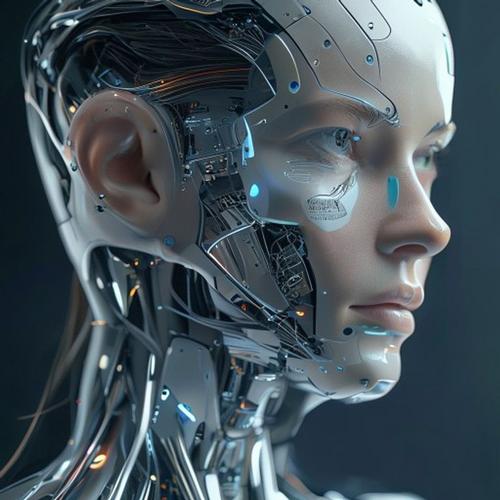
The field of rehabilitation is evolving with the emergence of physical medicine AI. This innovative tool represents a significant advancement in treatment methodologies. It enhances the way healthcare professionals diagnose and treat patients. Understanding its capabilities is crucial for improving patient care and outcomes in physical therapy.
What is this Tool?

Physical medicine AI uses artificial intelligence to analyze patient data and tailor rehabilitation protocols. It incorporates advanced algorithms specifically designed for physical medicine, allowing for personalized treatment plans. The tool assists therapists in understanding muscle dynamics, recovery patterns, and potential pain points, which makes responsive treatment possible.
How to Use This Tool Step by Step
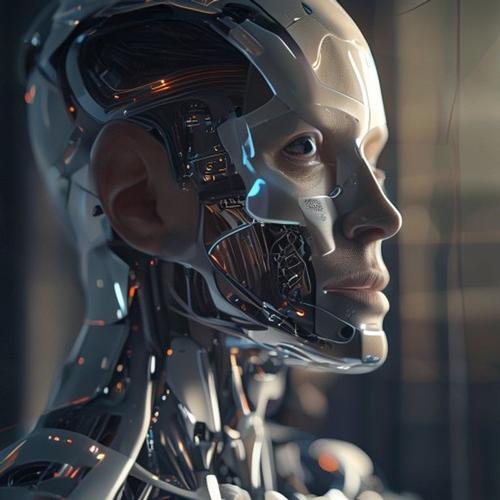
Using physical medicine AI effectively consists of the following steps:
-
- Input patient data into the system accurately.
-
- Allow the AI to analyze the data for insights on muscle performance.
-
- Receive recommendations for rehabilitation exercises tailored to the patient’s needs.
-
- Monitor patient progress and adjust the treatment plan based on AI feedback.
By following these steps, therapists can utilize both physical therapy AI, rehabilitation robotics 2026, AI diagnostics physical medicine, machine learning orthopedics to enhance patient care.
Key Benefits
The key benefits of physical medicine AI include improved accuracy in diagnosing muscle disorders and faster recovery times for patients. By providing tailored rehabilitation plans, this tool ensures that therapists can address each patient’s unique requirements. Additionally, it significantly reduces the time needed for manual assessments, allowing for more efficient sessions.
Tips and Best Practices
To maximize the effectiveness of physical medicine AI, consider these tips:
-
- Ensure complete and accurate patient data entry for precise results.
-
- Integrate the AI insights with your professional experience for optimal treatment.
-
- Regularly update the AI software to ensure access to the latest features.
Common Mistakes to Avoid
One common mistake when using physical medicine AI is relying solely on AI recommendations without applying clinical judgment. Another issue is not keeping abreast of AI updates, which may limit the tool’s effectiveness. Lastly, neglecting to follow up with patient interactions can hinder the tool’s accuracy over time.
Conclusion
In conclusion, physical medicine AI is a groundbreaking tool for rehabilitation practitioners. It transforms how patient care is approached and enables healthcare professionals to deliver better treatment plans through informed insights. Embrace this technology to elevate your practice and improve your patients’ recovery journeys by integrating both physical therapy AI, rehabilitation robotics 2026, AI diagnostics physical medicine, machine learning orthopedics into your routines.
FAQs
Question 1: What specialties can benefit from using physical medicine AI?
The tool is beneficial for various fields within physical medicine, including rehabilitation, orthopedics, and sports medicine.
Question 2: Is physical medicine AI suitable for all patient types?
Yes, it can be tailored to suit diverse patient profiles, enhancing recovery across different age groups and conditions.
Question 3: How does physical medicine AI improve assessment accuracy?
By analyzing extensive data sets and using advanced algorithms, it identifies patterns that manual assessments may overlook.
“`